
What Are Dog Supplements And How Do They Work?

As dedicated dog parents, we all want the best for our furry friends, especially when it comes to their nutrition. While high-quality commercial diets often meet most dogs’ needs, dog supplements can offer additional support in certain health situations.
But what exactly are these supplements, how do they work, and when do dogs truly need them? In this guide, we'll explore the science, benefits, risks, and practical use of dietary supplements for dogs from a veterinary expert's perspective.
Understanding Dog Supplements: Definition & Purpose
Dog supplements are products intended to complement your pet’s regular diet. These may come in forms such as powders, chews, pills, liquids, or oils, and contain ingredients like vitamins, minerals, omega-3 fatty acids, joint-support compounds, or probiotics.
According to the National Animal Supplement Council (NASC), a reputable organization in the pet supplement industry, a quality supplement provides nutritional or functional benefits beyond those typically found in a standard diet.
Veterinarians may recommend supplements to support health in dogs with specific needs, such as arthritis, digestive issues, aging-related conditions, or when a dog is on a homemade or therapeutic diet that may lack certain nutrients.
How Do Dog Supplements Work? The Science Behind Them
Supplements work by supplying additional nutrients or bioactive compounds that may be missing or insufficient in a dog’s diet. Here are a few ways they function:
Nutrient Boost: Supplements can provide additional vitamins and minerals that support immune function, skin health, and other bodily processes.
Joint Support: Ingredients like glucosamine and chondroitin help maintain cartilage and lubricate joints, potentially slowing the progression of arthritis.
Anti-inflammatory & Heart Benefits: Omega-3 fatty acids (such as fish oil) act as antioxidants, support cardiovascular health, and contribute to a healthy coat.
Gut Health: Probiotics help maintain a healthy balance of gut microflora, which supports digestion, nutrient absorption, and immune function.
Organ Support: Supplements like SAM-e for liver health mimic natural compounds in the body that protect and regenerate liver tissue.
However, it's crucial to understand that supplements are not magic cures. They are intended to support health, not replace a balanced diet or veterinary care.
Common Types of Dog Supplements & Their Mechanisms
Here are several frequently used canine supplements and how they support health:
Glucosamine / Chondroitin
These are structural compounds found in cartilage. Supplementation may help maintain joint integrity and mitigate age-related joint degeneration, though benefits often require consistent, long-term use.
Omega-3 Fatty Acids (Fish Oil)
Rich in EPA and DHA, these fatty acids help reduce inflammation, support heart health, and promote a glossy coat.
Probiotics
Beneficial bacteria like Enterococcus faecium help restore gut microbiota, especially after illness or antibiotic therapy, improving digestive health.
Antioxidants
Vitamins like A, C, and E, or phytonutrients, may help neutralize free radicals, reduce inflammation, and support aging immune systems.
Liver Support Compounds (e.g., SAM-e)
These help promote liver regeneration and detoxification, particularly in dogs with liver disease or toxin exposure.
When Do Dogs Actually Need Supplements?
Not every dog requires supplemental nutrition. Many AAFCO-complete commercial diets already provide essential nutrients. Still, there are specific scenarios where supplements may be beneficial:
-
Homemade or Raw Diets: If you prepare your dog’s food at home, it may lack certain micronutrients unless properly balanced.
-
Chronic Conditions: Dogs with joint issues, liver disease, or inflammatory conditions may benefit from targeted supplements.
-
Aging Dogs: Senior dogs may require additional support for joints, cognition, or immune function.
-
Digestive Upsets: For dogs recovering from illness, probiotics or gut-support supplements can help restore balance.
Your veterinarian or a canine nutrition specialist can help you determine whether a supplement is necessary and guide you toward products with proven efficacy.
Safety, Quality & Regulation: What to Watch For?
While many supplements offer benefits, it's essential to choose wisely:
Look for Quality Seals
Reputable bodies like the NASC provide quality assurance. Products carrying the NASC seal undergo more rigorous manufacturing and safety checks.
Evaluate Purity and Testing
Vet professionals emphasize that not all supplements are created equal. According to the ISVMA, good products should have data on purity, stability, bioavailability, and label accuracy.
Avoid Human Supplements
Human vitamins and minerals can contain levels or ingredients that are toxic to dogs (e.g., excess vitamin D). Always use supplements formulated for canines.
Monitor for Side Effects
Over-supplementation can cause issues such as gastrointestinal upset, nutrient imbalances, or toxicity.
Consult Your Veterinarian
Before starting any supplement, get a veterinary evaluation. Supplements should complement, not replace, medical treatments or a balanced diet.
How to Use Dog Supplements Effectively?
To maximize the benefits of supplements:
Start Slowly: Introduce one supplement at a time to monitor tolerance.
Follow Accurate Dosing: Use your vet’s recommended dosage or the product label.
Stick to a Schedule: Add supplements consistently (daily or per vet instructions) for best results.
Track Progress: Keep notes on your dog’s mobility, stool quality, coat condition, or behavior to share with your vet.
Re-Evaluate Periodically: As your dog’s health changes, so might their nutritional needs
Natural & Functional Supplements for Picky Eaters: Why Liver Matters?
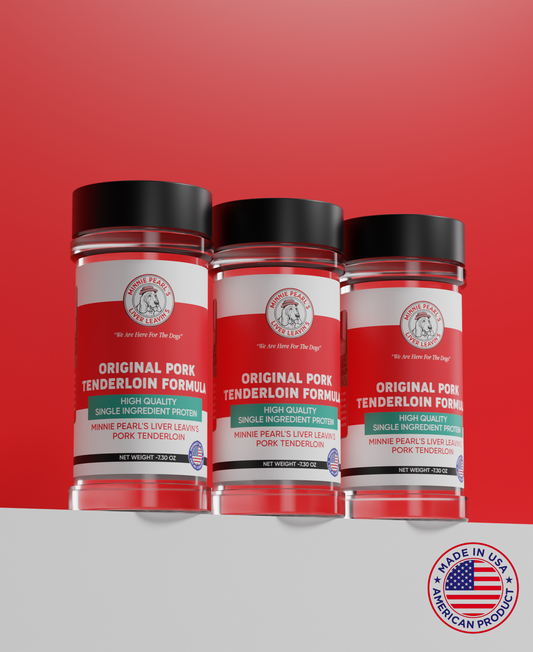
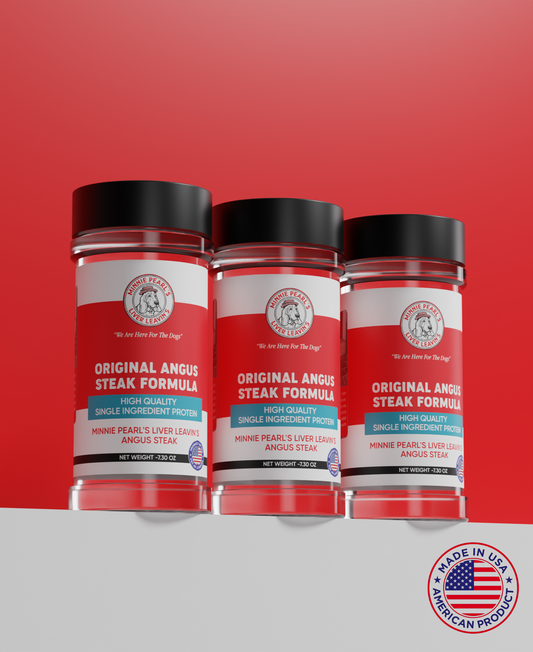
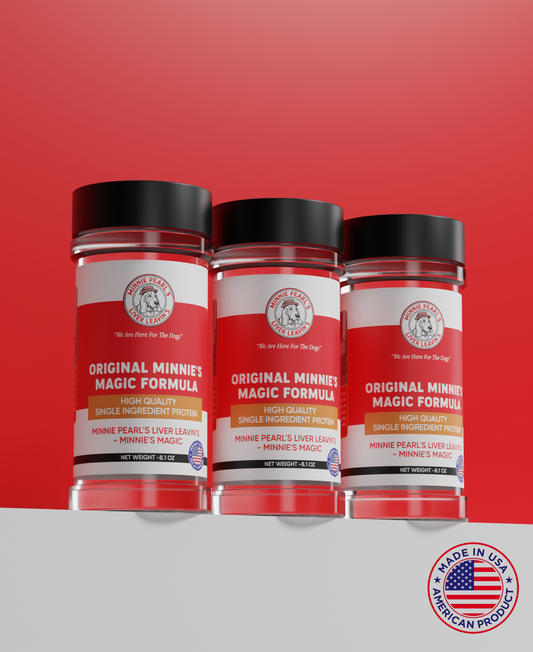
For pet parents dealing with picky eaters, a supplement can serve a dual purpose: nutritional support and meal enhancement. Our product, Minnie Pearl’s Liver Leavins, deserves special mention here.
-
It’s made from 100% real, dehydrated beef liver, a single high-quality protein source.
-
The natural aroma and taste act as a dog appetite enhancer, even for reluctant eaters
-
Use it as a supplement or food topper sprinkled over kibble or mixed into wet food.
-
No artificial fillers, no preservatives, just real nutrition.
For dogs that reject bland or repetitive meals, Liver Leavins provide both a functional supplement and a flavorful motivator, a smart way to support their health while enticing them to eat.
FAQs About Dog Supplements
Do all dogs need supplements?
Not necessarily. Dogs on a complete, balanced commercial food often don’t require extra vitamins or minerals. Supplements are most useful in dogs with specific needs like joint issues, digestive problems, or those on homemade diets.
How do I choose a safe, effective dog supplement?
Look for products with a trusted quality seal (like NASC), transparent ingredient testing, and veterinary backing. Always consult your vet before starting something new.
Can I give my dog human vitamins?
No. Human supplements can contain levels of nutrients that are unsafe for dogs. Always choose supplements formulated for canines.
When should I see a vet about supplements?
If you're considering supplements for joint pain, liver disease, poor appetite, or other health issues, or if your dog’s diet is homemade, consult your veterinarian to determine the right choice.
How long does it take for supplements to work?
It depends on the supplement: joint support may take weeks; probiotics or antioxidants may show benefits sooner. Consistent use and follow-up with your vet are key.
Conclusion
Dog supplements are powerful tools when used correctly. They can support joint health, digestive balance, organ function, and overall vitality, especially in dogs with special nutritional needs. But like any health intervention, they must be chosen wisely: prioritize quality, vet guidance, and evidence-based formulations.
For picky eaters or dogs who simply need a nutrient-rich boost, Minnie Pearl’s Liver Leavins is an excellent option. This real-protein topper delivers both health support and irresistible flavor, helping your dog enjoy each meal while benefiting from quality nutrition.
Try Minnie Pearl’s Liver Leavins today and turn every feeding time into a moment of joy and well-being for your dog.